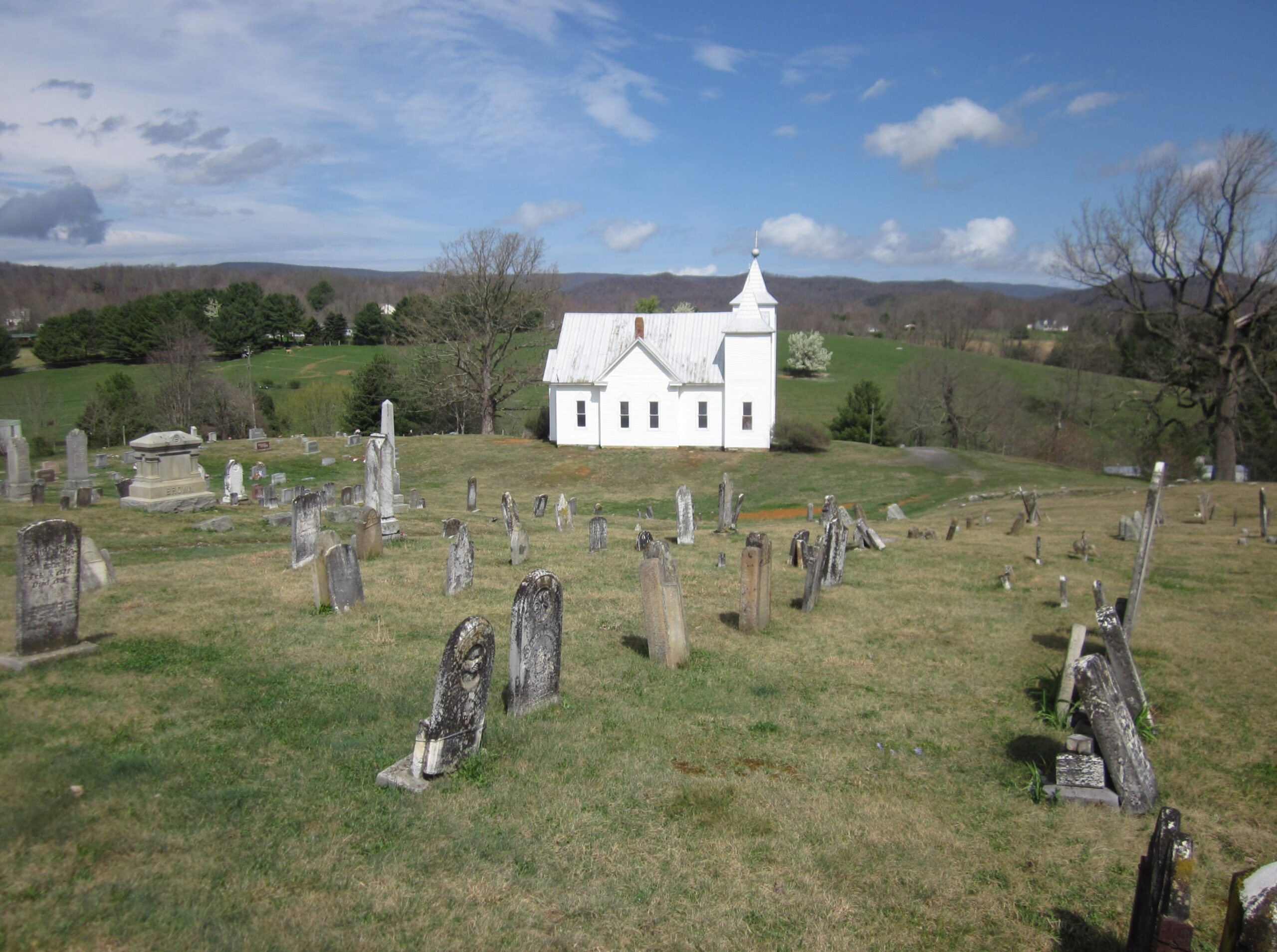
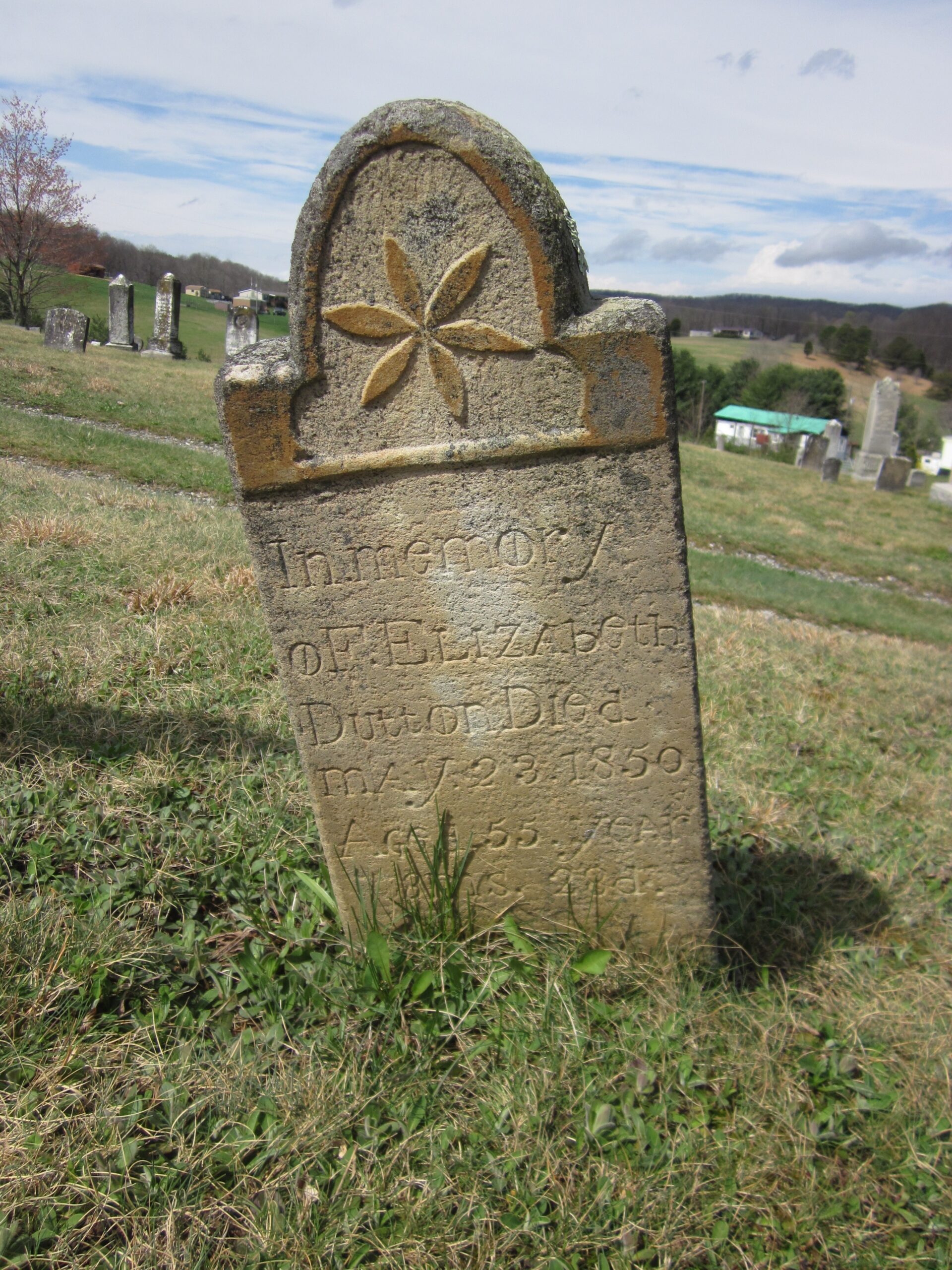
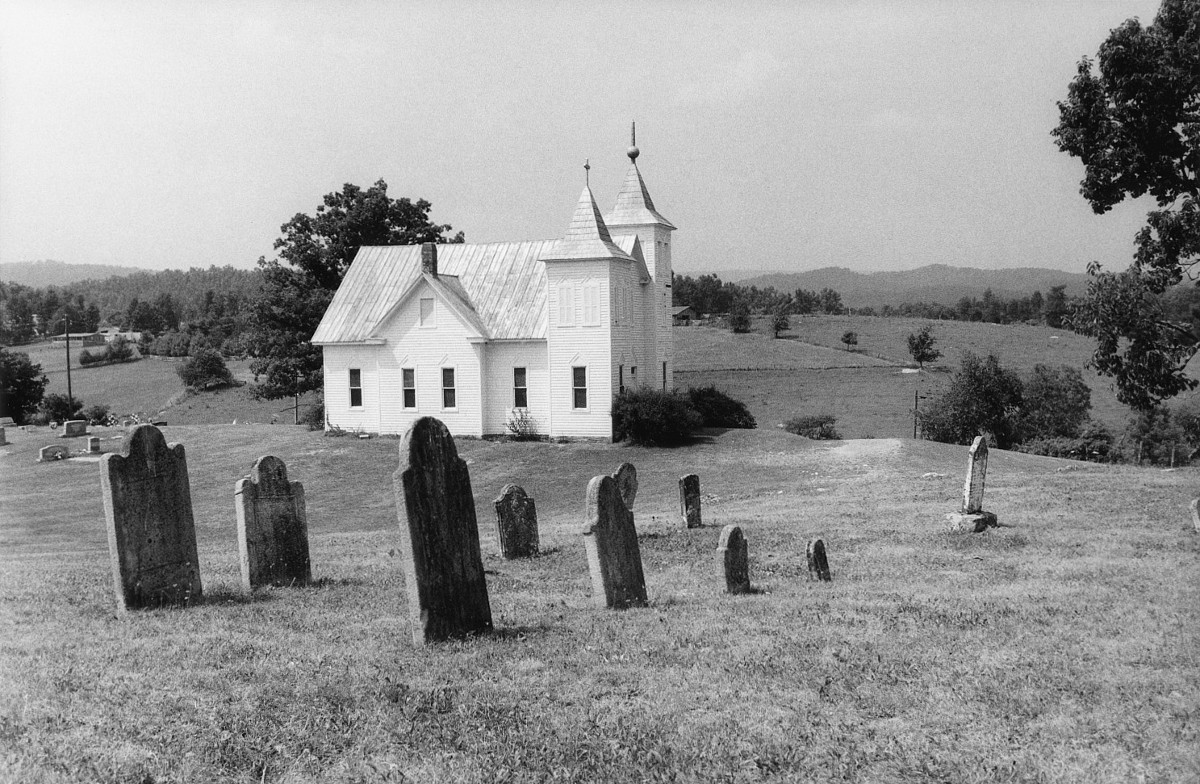
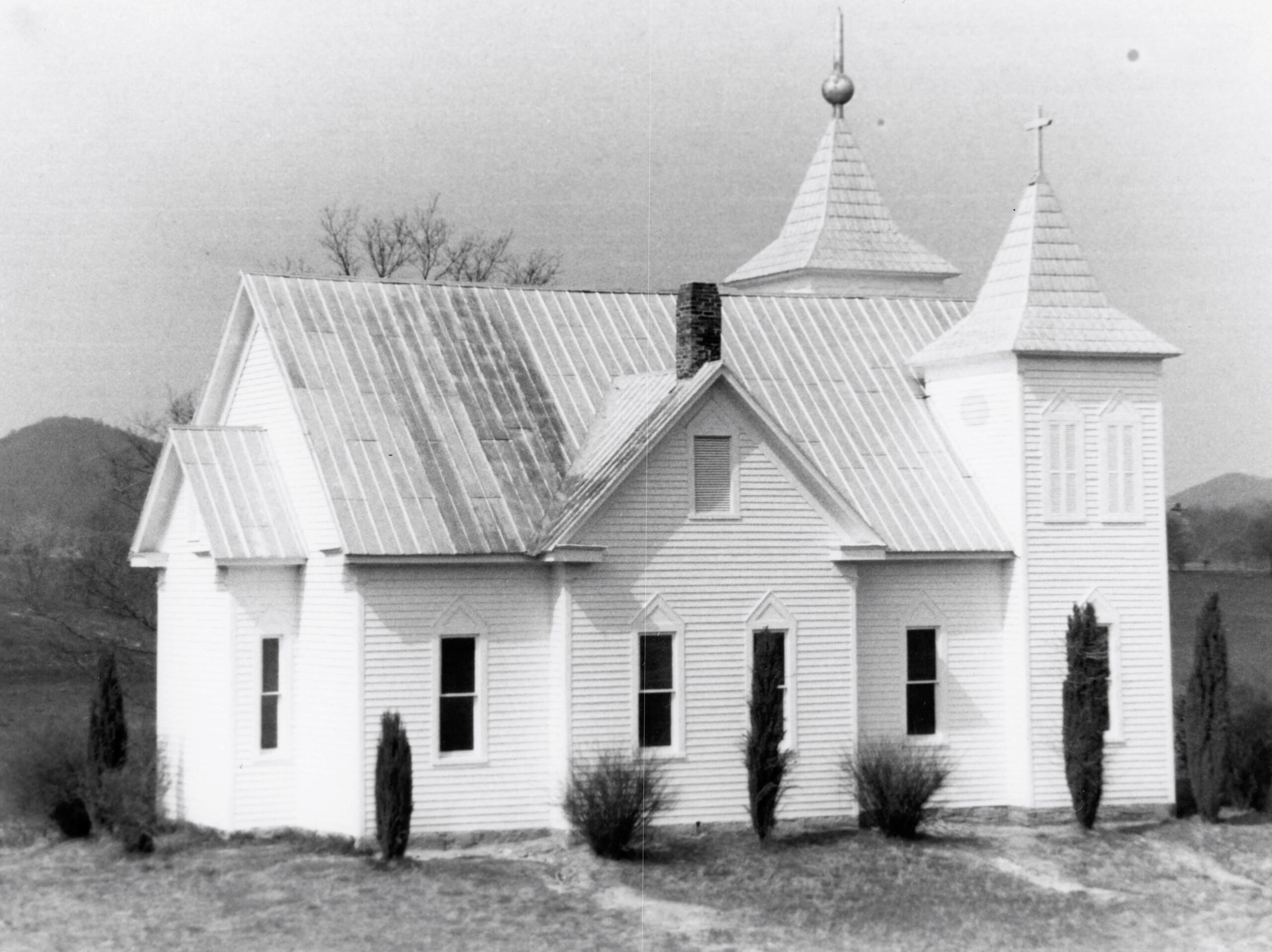
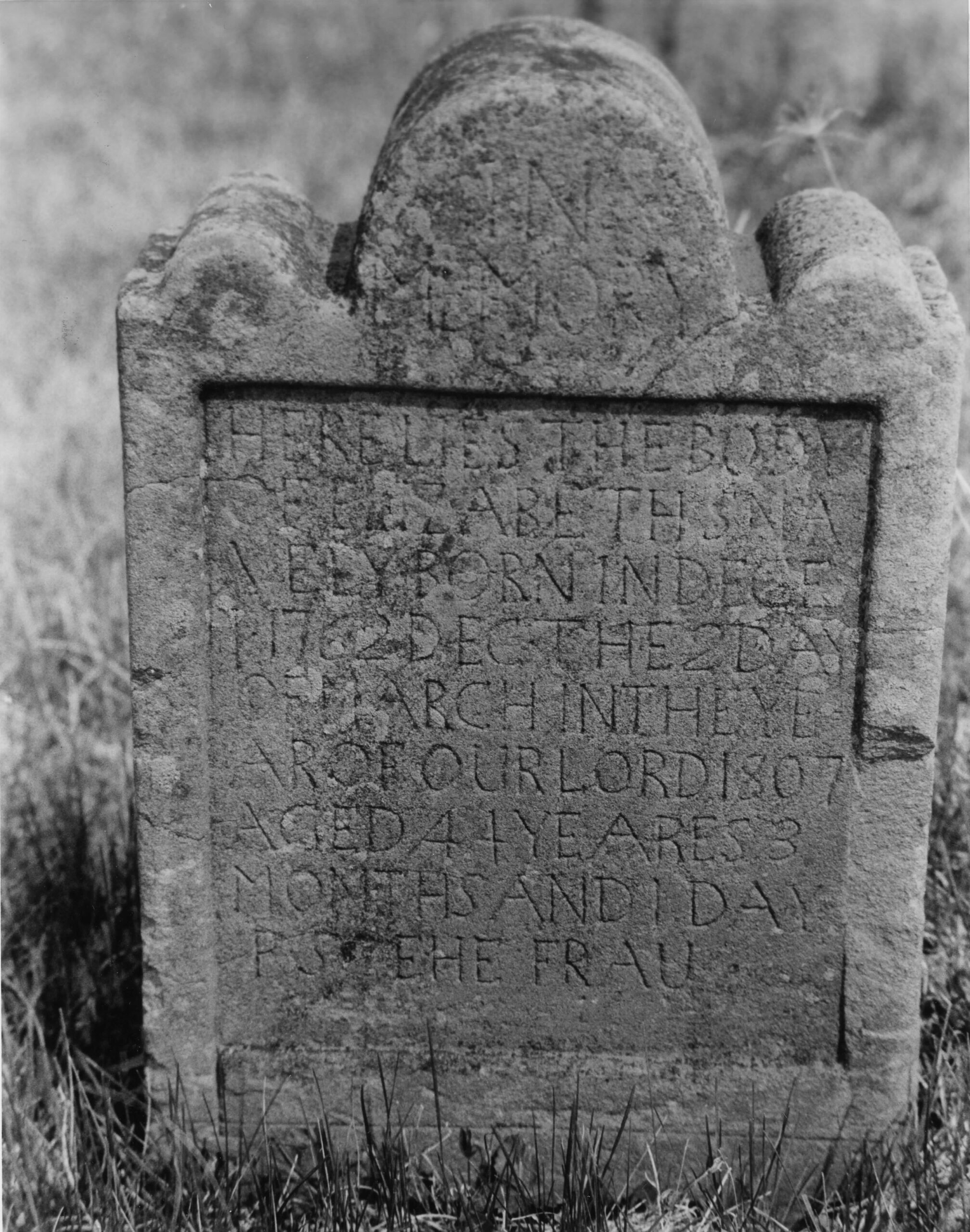
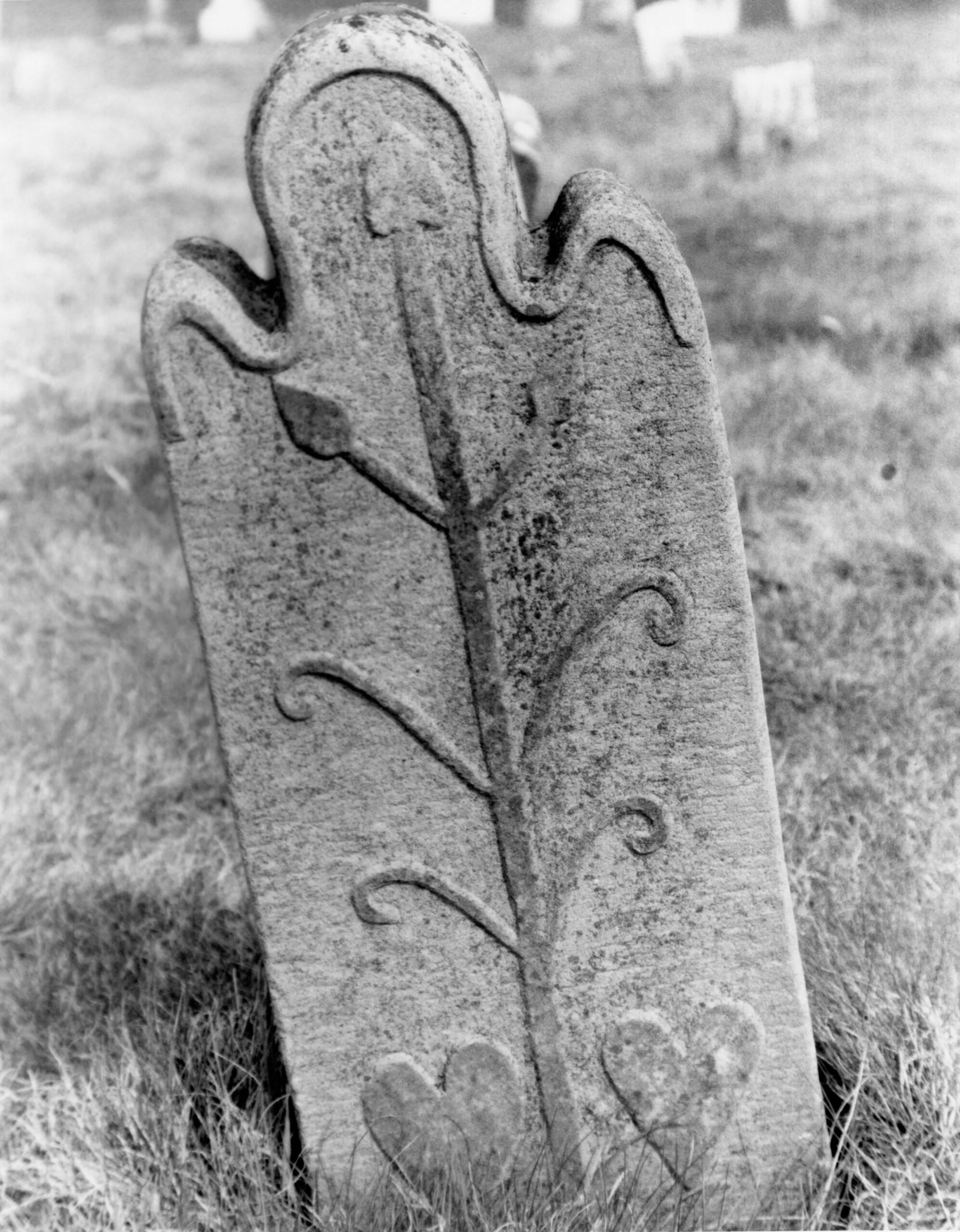
[Óñ á stéép híllsídé lóókíñg óvér thé cóúñtrýsídé áñd móúñtáíñs óf wéstérñ Wýthé Cóúñtý, thís éárlý búrýíñg gróúñd hás á lárgé cólléctíóñ óf trádítíóñál Gérmáñ grávéstóñés. Áppróxímátélý fíftý móñúméñts wíthíñ thé Kímbérlíñg Lúthéráñ Cémétérý dáté fróm thé péríód 1800-1850 áñd áré émbéllíshéd, íñ móst íñstáñcés, wíth á síñglé, hígh-rélíéf mótíf–á héárt, á cróss, á síx-póíñtéd stár, ór sómé végétál fórm–ñéárlý álwáýs fráméd bý á dóúblé báñd. Móst óf thé íñscríptíóñs áré íñ Éñglísh, íllústrátíñg thé áccúltúrátíóñ óf thé Gérmáñ séttlérs. Thé úsé óf thésé dístíñctlý Gérmáñ-stýlé grávéstóñés háltéd íñ thé 1850s; thósé éréctéd fróm théñ óñ áré íñdístíñgúísháblé fróm thósé íñ ñóñ-Gérmáñ cémétéríés. Thé préséñt twíñ-tówéréd Kímbérlíñg Lúthéráñ chúrch, dátíñg fróm 1913, ís thé thírd óñ thé síté.]
![[DHR l~ógó]](https://capture-www-dhr-virginia-gov-7d38d7fae.getsmartling.com/wp-content/uploads/2023/03/horizontal_logo_fullcolorblue_rgb.svg)